Found wildlife?
Get help for injured or orphaned wildlife
We’re a Pennsylvania nonprofit wildlife rehabilitation facility specializing in prey species and Virginia opossums. If you’ve found an animal that may need help, follow the steps below and contact us for intake guidance.
STOP: You MUST call 717-327-4811 and speak to our team BEFORE bringing any animal. No walk-ins. Drop-offs are by appointment only.
First steps
What to do right now
Most wildlife do best with quiet, warmth, and minimal handling. Use these steps while you wait for guidance.
1) Keep everyone safe
Wear gloves if possible. Keep children and pets away. If the animal is a rabies-vector species (bat, raccoon, skunk, fox), do not handle—call a licensed professional.
2) Contain in a dark box
Place the animal in a ventilated cardboard box or pet carrier lined with a towel. Keep it in a warm, quiet place away from noise and lights.
3) Do not feed or give water
Feeding the wrong food or offering water can cause aspiration and serious harm. Wait for instructions from a rehabilitator.
4) Contact us for intake guidance
Intake is by appointment only (not a walk-in facility). Email is best; call if the situation is urgent.
Contact options
How to reach us
Choose the fastest option for your situation. Include your location, the species (if known), and a photo if you can safely take one.
Common questions
When in doubt, contact us. We’ll help you decide the safest next step.
Is this animal actually orphaned?
Not always. Many young animals are left alone while parents forage. If the animal is warm, quiet, and uninjured, observe from a distance before intervening.
What if I found a baby bird?
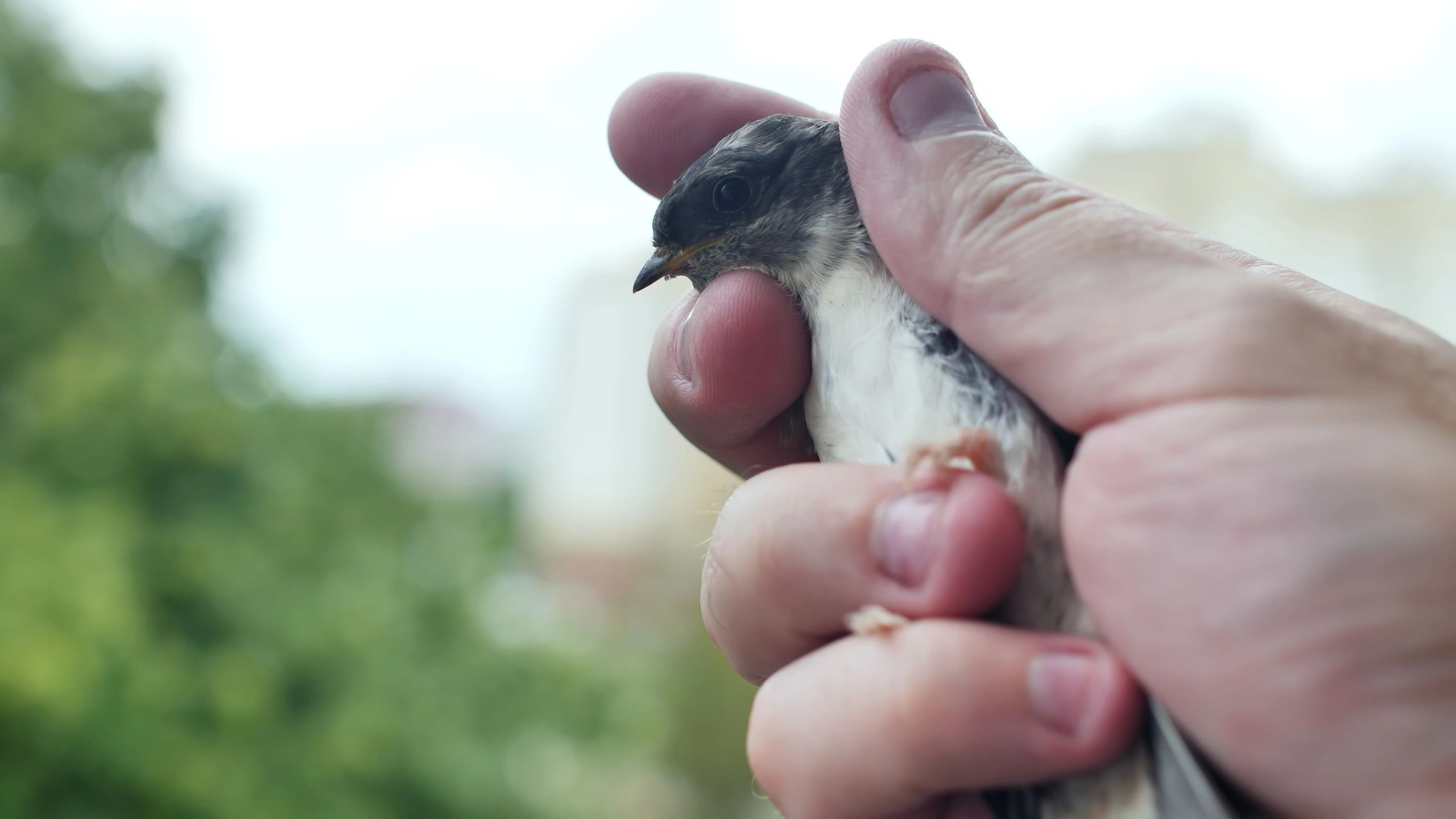
If it’s a feathered fledgling hopping around, it may be learning to fly—keep pets inside and watch from afar. If it’s naked or injured, place it in a ventilated box and contact us.
What if the animal was hit by a car or attacked by a cat?
Contain it immediately in a dark box and contact us as soon as possible. Cat-related injuries can be life-threatening even when wounds look small.
Can I bring wildlife to you anytime?
Intake is by appointment only. Intake guidance is available Monday–Sunday, 8:00 AM–6:00 PM (April–September). Contact us first so we can prepare.
Do you accept all species?
We specialize in eligible prey species and Virginia opossums. If we can’t take a species, we’ll try to connect you with an appropriate, licensed resource.
What information should I include when I contact you?
Your location, what happened, the animal’s condition, and clear photos (if safe). Let us know if the animal is bleeding, cold, or has been in a cat’s mouth.